
Residential Roof Inspection Checklist for Homeowners
This checklist is based on the inspection points used by Independent Roof Inspections’ senior inspectors. Our senior inspectors are licensed and have a minimum of 10 years’ trade experience. Independent Roof Inspections is also a member of Master Builders Queensland and Master Builders Association NSW.
Why Use a Residential Roof Inspection Checklist
If you have never had your roof properly inspected, it is easy to assume that no leaks means no problems. From what our inspectors see on the job, roof issues often develop well before they become visible from inside the house, which is why a roof condition report often identifies issues owners did not know about.
This checklist covers the areas our licensed inspectors check during a roof condition report. It won’t replace a full professional inspection, but it gives you a solid starting point for spotting early warning signs from ground level. You can also download a printable version below to keep on hand for seasonal roof checks, storm follow ups or pre purchase planning.
Roof Inspection Safety Tips Before You Start
Please don’t climb onto your roof to do this checklist. Most of what’s listed below can be checked safely from the ground, from a ladder at gutter height, or from inside the roof space if you have safe access. If anything looks unclear or you’re not confident getting a good view, that’s exactly the kind of thing a professional inspection is for.
Roof Coverings to Check
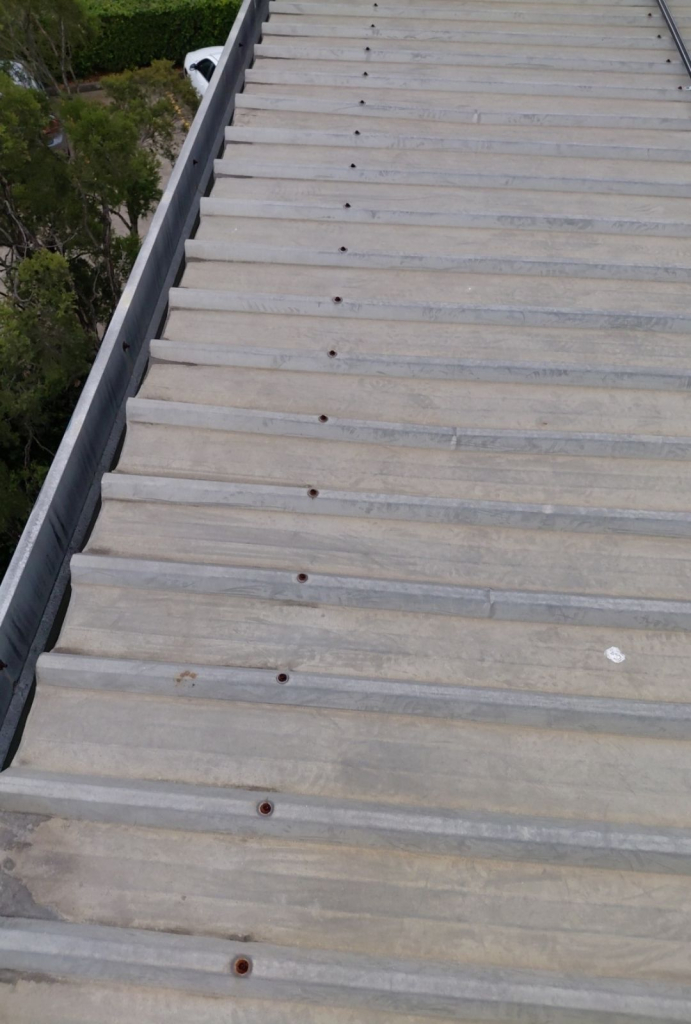
Your roof covering is the first line of defence against the weather, and most issues here can be spotted from the ground or with a pair of binoculars. Look across the whole roof for anything that breaks the pattern, such as a lifted tile, a rust patch, or a section that sits slightly differently to the rest.
Look for:
Cracked, chipped, slipped or missing tiles
These can let water into the roof cavity, especially during wind driven rain.
Rust spots, corrosion or lifting on metal roof sheets
These may point to ageing sheets, loose fixings or areas where water is sitting.
Sagging sections
Sagging can suggest movement underneath the roof covering and should be checked properly.
Moss, lichen or heavy debris build up
This is common on shaded sections and can hold moisture against the roof surface.
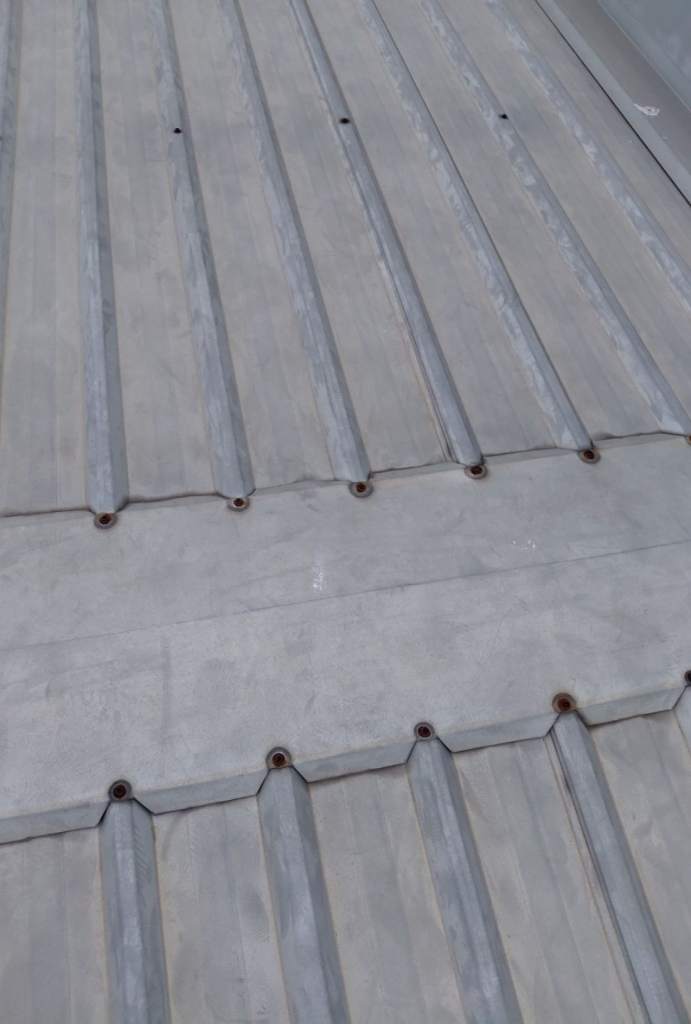
Loose or exposed fasteners on metal roofing
Loose fixings can create small entry points for water during heavy rain.
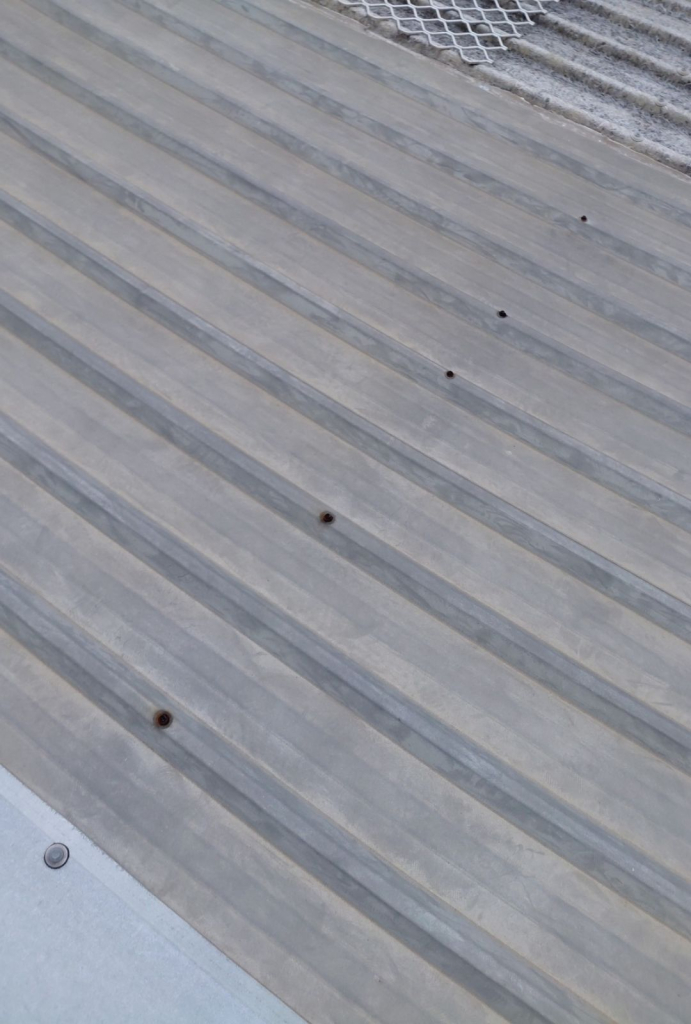
Rusty or deteriorating fasteners on metal roofing
Rust from fasteners can spread onto the sheeting and into gutters, shortening the lifespan of the roof.
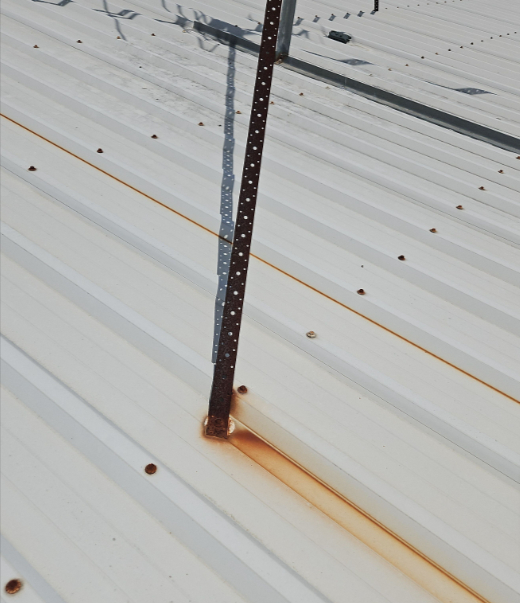
Antennas or mounts on metal roofing
Corroding antenna bases and fixings are a common source of rust that spreads across sheeting and into gutters over time.
Gutters and Downpipes
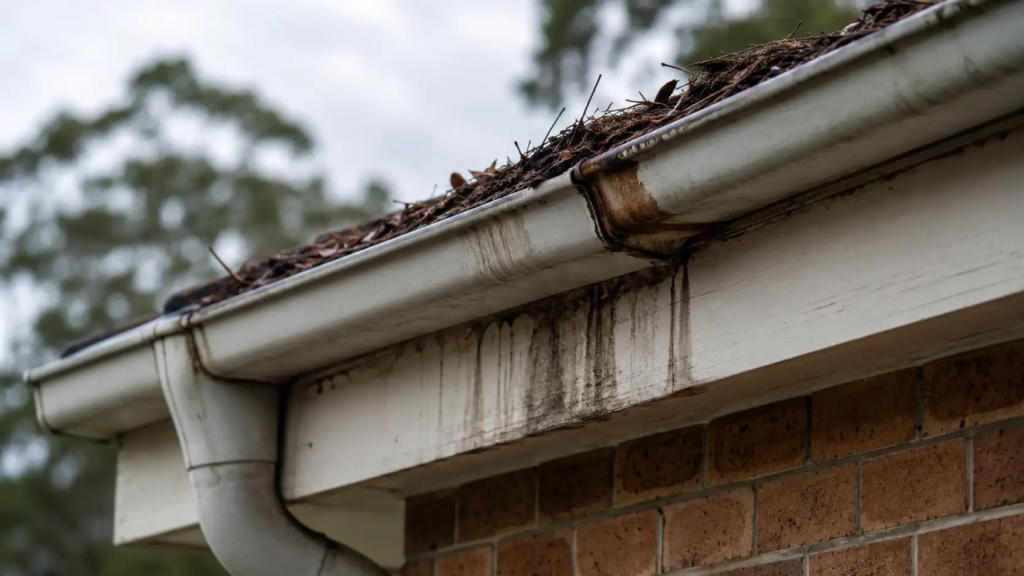
Gutters and downpipes do a lot of quiet work, and they’re often overlooked until they overflow. A walk around the house after rain can tell you a lot about how well they are draining. Common signs of trouble include:
Sagging or pulling away from the fascia.
This can stop water draining properly and may place extra strain on the fascia.
Rust, splits or holes, especially at joins.
Small gaps can leak water onto walls, fascias or areas around the home.
Overflow staining on the fascia or wall below.
This can be a sign that gutters are blocked, undersized or not draining properly.
Leaves, branches or sediment build up.
Debris can cause gutters to overflow during heavy rain.
Blocked, disconnected or poorly draining downpipes.
Downpipes should move water away from the home, not let it pool near the foundation.
Turn What You Find Into a Clear Next Step
The free workbook lets you score each concern and use your overall result to see whether you should keep monitoring, book maintenance or arrange an inspection.
Download the Free Roof Inspection WorkbookRoof Flashing and Penetrations
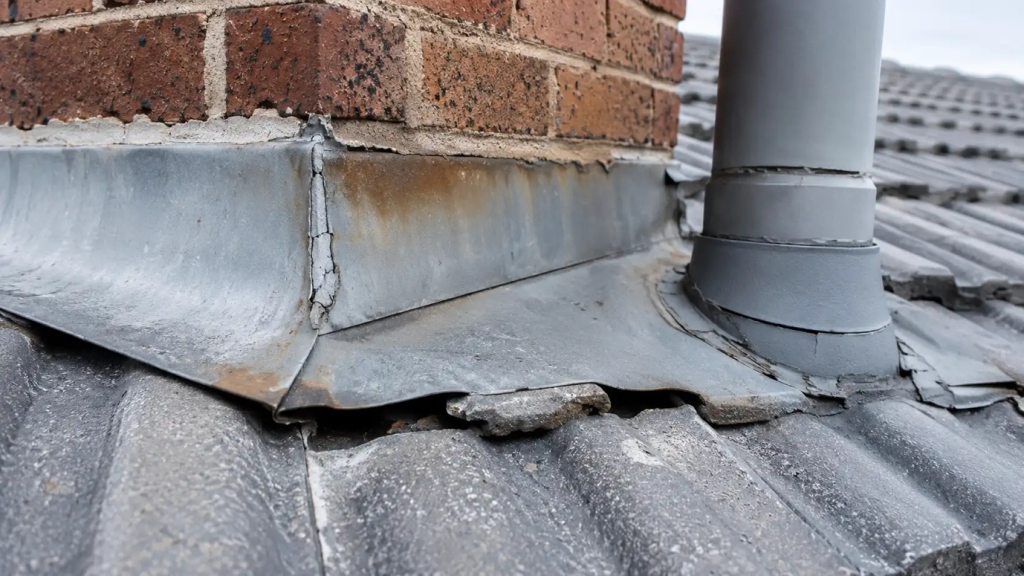
Flashings are where most leaks start, so it’s worth a closer look anywhere metal meets the roof covering, such as around chimneys, vents, skylights and pipes.
Check for:
Lifted, cracked or rusted flashing around chimneys, vents, skylights and pipes.
Flashing seals these junctions, so any gap can give water a path underneath the roof covering.
Sealant that’s cracked, shrunk or missing around penetrations.
Sealant has a limited lifespan, and once it fails, water can find its way through small gaps.
Flashing at the junction between the roof and any walls or parapets.
These junctions rely on flashing to stay watertight, and movement over time can open small gaps.
Ridge Capping and Hip Capping
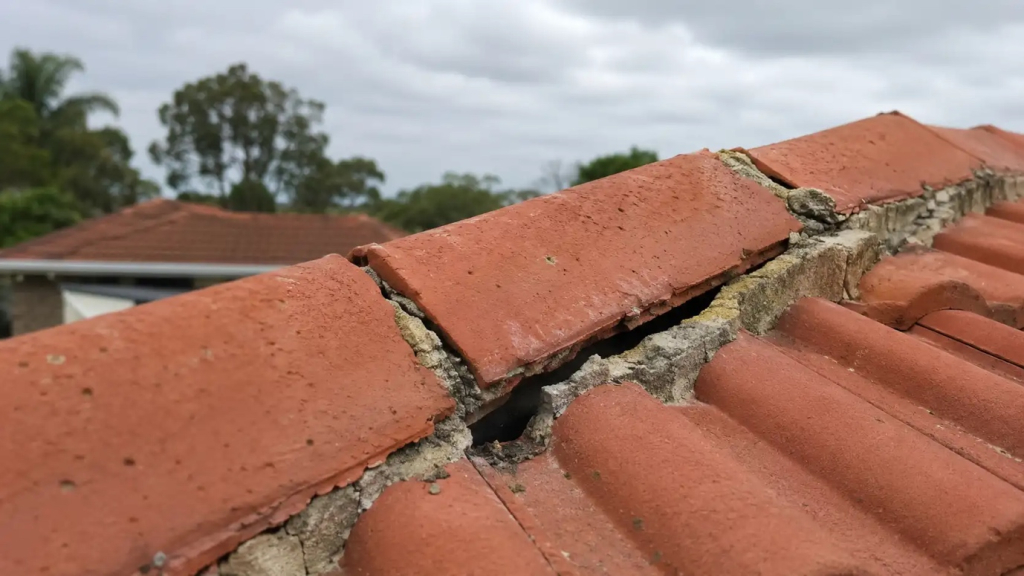
Ridge and hip capping covers the joins along the top and corners of the roof. On tiled roofs, this capping is usually bedded in mortar, which can crack or loosen as the roof moves with age and weather.
Warning signs can include:
Cracked or loose mortar bedding on tiled roofs.
Mortar can deteriorate with age and weather, allowing capping to shift.
Capping that has shifted or lifted.
This can expose the ridge or hip line to wind and rain.
Visible gaps where capping meets the roofline.
Gaps here can let water and debris into the roof space.
Roof Valleys
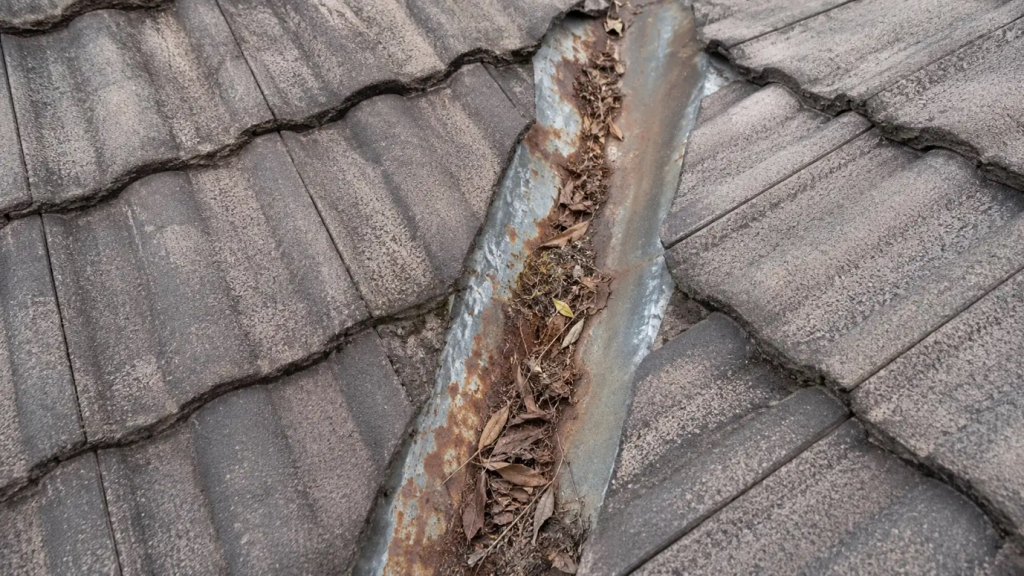
Roof valleys carry a lot of water during heavy rain, so small blockages or corrosion can become a problem quickly.
Check for:
Leaves, dirt or debris sitting in the valley.
Build up can cause water to back up under the roof covering instead of running away.
Rust or corrosion on valley metal.
Corrosion can weaken the valley and create small holes over time.
Staining or wear along the valley line.
This can be an early sign that water isn’t draining as it should.
Roof Space Checks
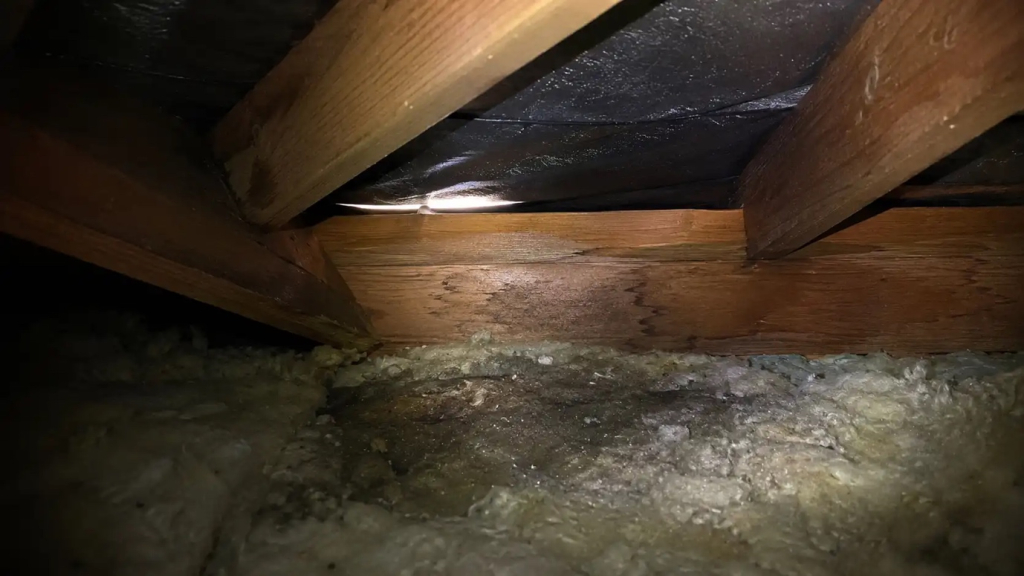
If you can safely access your roof space, it’s worth a look with a torch. This is often where early signs of a leak show up well before any staining appears on the ceiling below.
Look for:
Daylight showing through gaps that shouldn’t be there.
Any gap that lets light in may also let water or pests in.
Damp insulation, timber or sarking.
Dampness can indicate an active leak, even if it hasn’t reached the ceiling yet.
Water stains on the underside of the roof or on ceiling joists.
These often appear well before staining is visible from inside the house.
Signs of pests.
Gaps that let pests in are often the same gaps that let water in.
Internal Roof Leak Warning Signs
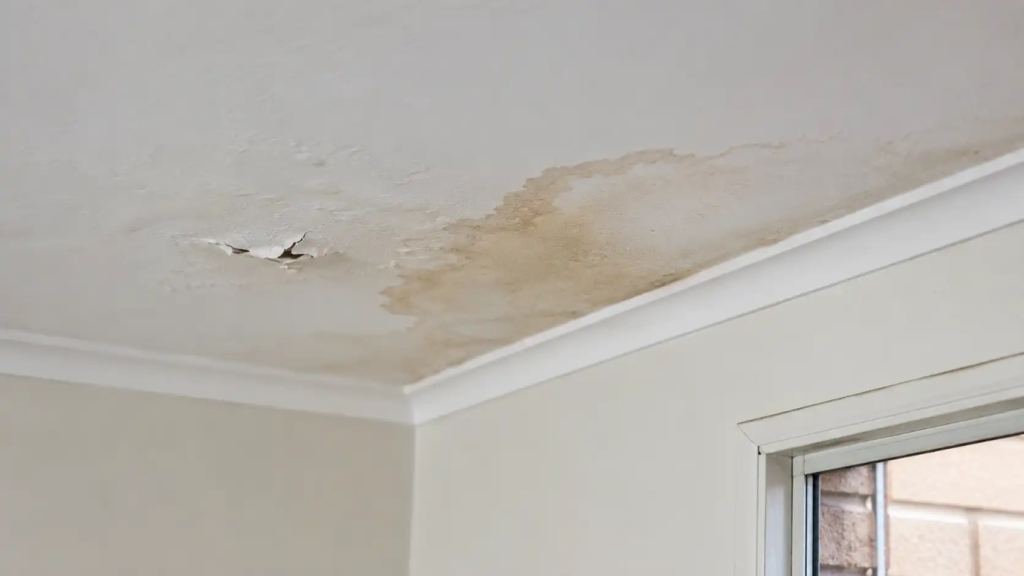
Not every roof issue shows up on the roof itself. Inside the house, ceilings and upper walls are often the first place a slow leak becomes visible.
Common signs include:
Water stains or discolouration on ceilings, particularly after rain
This is usually one of the clearest signs that water is getting through somewhere above.
Bubbling or peeling paint on ceilings or upper walls
This can point to moisture sitting behind the surface for some time.
Musty smells in rooms near the roof space
This can be a sign of a slow leak that has not caused visible staining yet.
Storm Damage Roof Checks
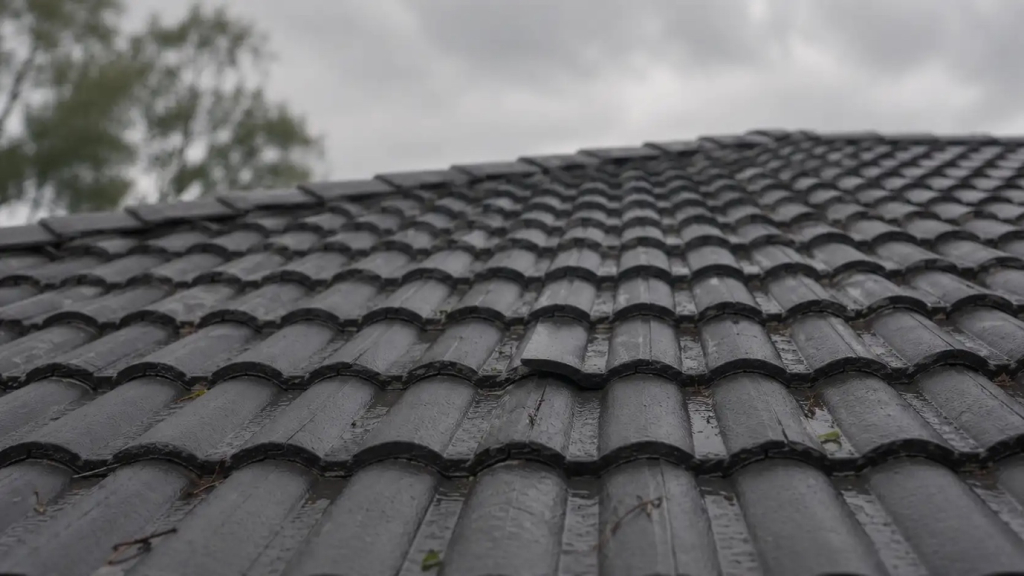
If you’ve had a storm come through, it’s worth doing a quick check even if everything looks fine from inside.
Look for:
Any new debris, branches or dents on the roof
These can damage tiles, sheeting or flashing on impact.
Dislodged tiles, ridge capping or flashing
Strong wind can lift or shift these even if the rest of the roof looks fine.
New staining in the gutters or on the fascia
This can indicate water has overflowed or found a new path during the storm.
Any change in how water drains off the roof during the next rain
A change in drainage pattern can point to a new blockage or damage from the storm.
What a Roof Inspection Checklist Does Not Cover
This checklist is designed to help homeowners spot visible warning signs. It does not replace a full roof condition report, moisture assessment, roof space inspection or professional review of flashings, drainage, structural movement and weatherproofing. If you notice signs of water ingress, storm damage, movement, corrosion or blocked drainage, it’s best to arrange an independent inspection before the issue becomes more expensive.
Roof Inspection Checklist for Home Buyers
If you’re buying a property, this checklist can help you notice obvious roof concerns before making an offer or booking further checks. It should not replace a pre purchase roof inspection. A professional inspection can identify roof defects, previous repairs, drainage concerns and maintenance issues that may not be visible during a standard property walkthrough.
When to Book a Professional Roof Inspection
A checklist like this is useful for catching obvious issues, but a lot of roof problems start small and aren’t visible until they’ve caused real damage. Damp sarking can go unnoticed long before a ceiling stain appears. Flashing can be lifted just enough to let water in during heavy rain but look fine on a dry day.
This is where an independent roof condition report makes a difference. Our reports are carried out by licensed inspectors, and because we do not carry out repairs ourselves, our findings focus only on what’s actually happening with your roof, with no pressure to recommend work that isn’t needed.
Already concerned about your roof? Request a professional roof inspection
Find Out What Needs Attention and How Quickly to Act
The checklist above helps you recognise common roof warning signs. The free workbook takes you further by helping you record what you find and work out how urgent it is.
Download the workbook to receive:
- A 0 to 3 priority scoring system for every inspection point
- An overall score that sets your next step
- Clear action timeframes covering immediate concerns, action within 48 hours, action within 30 days and seasonal maintenance
- Dedicated checklists for routine inspections, major storms, property purchases and solar installation
- Space for inspection notes and section scores, plus an inspection history table
Keep each completed workbook and you build a roof history for insurance claims, maintenance planning and any future sale.
Free eight page PDF created by licensed independent roof inspectors.